

 Nov 21, 2025
 3 min read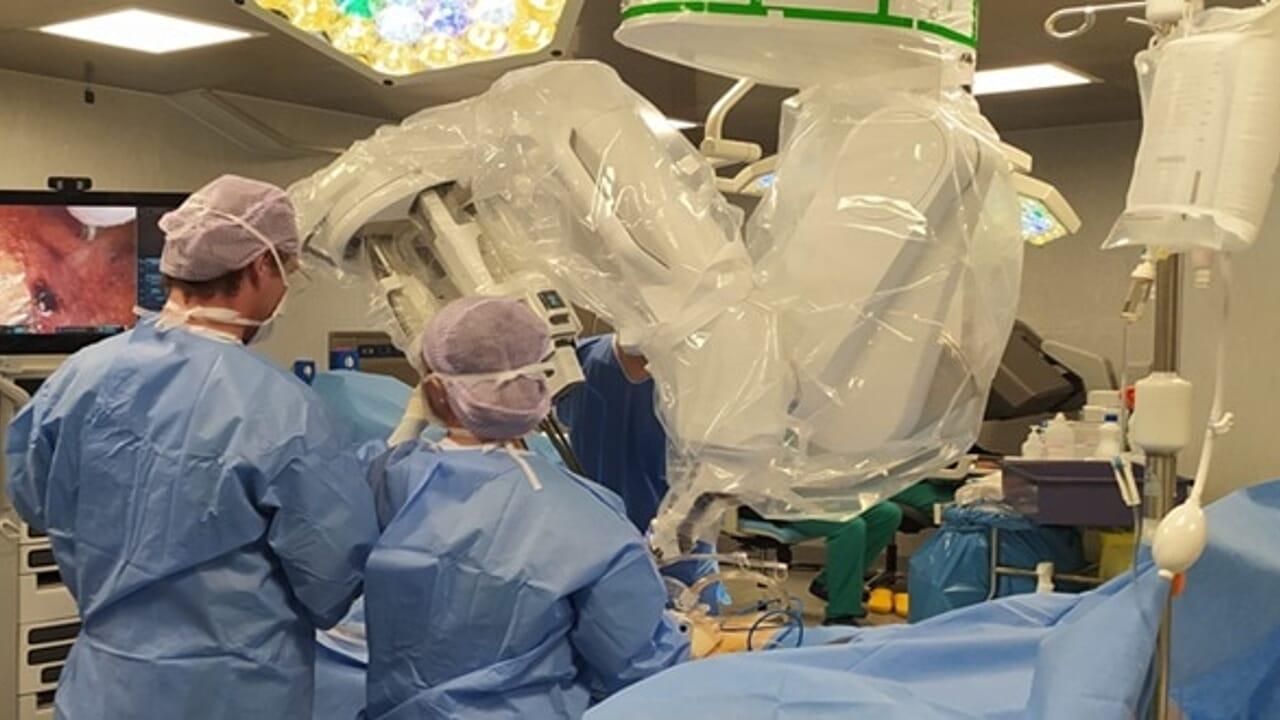
This is a unique case in Italy and not described in the international scientific literature that combines the use of the most modern surgical technology with calibrated anesthetic techniques to measure the patient with a minimally invasive approach.
The DA Vinci Robot removes kidney and prostate tumors: the unique operation in the Padua area
This is a unique case in Italy and has not been described in the international scientific literature that includes the use of the best current surgical technology with pleasant techniques compatible with the patient with minimal vision and oncological safety.
In Abano Polyclic and Abano Sese, an operation was performed to remove the Greenney e trouggers and da vii of the sea.This is unique in Italy and is not explained in the international media that uses the demon like diacca with protection and security.Onosai, a fifty-five-year-old man, was released two days from the hospital in good condition.
In more detail, the surgical team led by Professor Luigi Ships, at the Aponense Structure of the UniCamillus University of Rome School of Urology, Veneto Hospital, performed one operation with the da Vinci Single Port robot lasting approximately 3 hours, first a radical reactive prostatectomy of the kidney.In this way, the functionality of the kidney is preserved. In addition, during the anesthesia, combined spinal anesthesia with general anesthesia was used, with reduced use of opioids.The resection approach was also pioneering because it did not involve closing the great vessels of the kidney, which further protected renal function from ischemic damage.In addition, no stitches were placed on the healthy part of the kidney after the tumor was removed.Thanks to the minimally invasive technique, the patient is not placed in the common lateral decubitus position, that is, on one side, but in a supine position, with all the advantages resulting from a respiratory and circulatory point of view.
Coordinating anesthesia and surgery and surgery by Dr.Nicola Langato, followed by Dr.Donology, about the management of the patient, during and after the success of the operation.Eritology at Siclinico Abano, Gol - Groupo Opefefisist with many and functional technologies equipped with a small physical and personal style.These are the features that make it a reference center for the whole area that has participated in the East of Iron and strengthened the research and creation aspects of the school in the opening of the Captoline school in the clinic of the clinic of the clinic.
One of the ways that Abano Polyclinic is leading today is a step forward in the treatment of urological oncology pathologies."We have performed a complex operation - explains Professor Luigi Schips - which is unique, because it combines the need to remove two tumors in a minimally invasive way from a surgical point of view, thanks to the da Vinci single-port robot, and from an anesthetic point of view, to secure the use of salvage, nowadays it is necessary for the careful use of medicine. Assess the patient and his conditions, the risk-benefit ratio and the recovery time when radical prostatectomy in a single operationMoving forward with this, the patient is spared two operations at a time. In addition, the hospitalization time is reduced due to our significantly reduced morbidity with the small robotic instruments with which we remove the prostate and part of the kidney and associated tumors.
Innovation in this field is the result of teamwork.Adapted reduces the effect of these organs, which is rosacea, in the physical actions of drugs in the garage, the need to use generic drugs.For the purpose of minimizing the reduction of volunteers, the knowledge of complex people, the term "hypertensive patients in the generalization, criticism and the use of general anesthesia. Restless and restless and in the range of parking space in the belt pressure since the patient's medical needs and results.
No critical problems or clinical problems were observed during surgery or anesthesia.Multimodal analgesia "is performed in the postoperative period, which does not require rescue opioid doses for pain management. "If there is no nausea and vomiting, the patient begins to eat orally a few hours after returning to the ward, and there is no problem with the use of normal organ functions.This method allows the restoration of biological functions, which significantly reduces the risk of perioperative LANG complications," stated.