

 Nov 04, 2025
 3 min read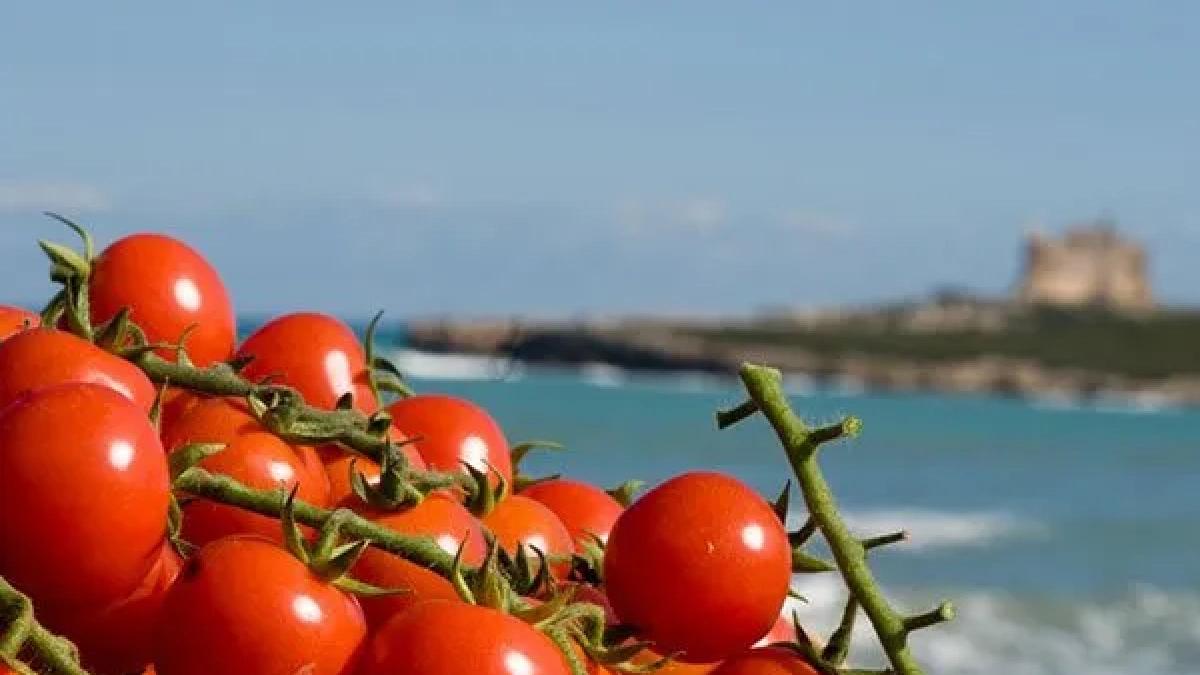
ECDC-EFSA report links Salmonella strathcona outbreak to Sicilian cherry tomatoes: 437 cases in Europe as of 2023. The sector is defending itself, and the government is tightening controls. There are precautions to be taken
CHRRINES FOR 20 Euro, Small Piers, Skyrocked: Passports to change
By Elena Tebano
ECDC-EFSA report links to Salmonella Strothcona Spread in Tomatoes: 437 cases in Europe from 2023. The industry is protecting itself, the government is strengthening.
Europe shows it in black and white: there is an epidemiological link between the Salmonella Strathcone outbreak and Sicilian cherry tomatoes.This is confirmed by a new joint report by ECDC (European Center for Disease Prevention and Control) and EFSA (European Food Safety Agency), which takes into account three years of investigations and more than 437 cases in 17 EU countries.A slow and karst eruption that crossed borders and seasons, touching the United Kingdom, the United States and Canada, often with a recurring detail in the medical record: a recent trip to Italy.
And if the important features show the most expressed desire in the itch that is pregnant in the production.
Olena Tebano
Ipidimini's agenda speaks clearly.From 2023 to September 2025, confirmed cases of Salmonella Stravcona, up to 437, almost double the first number from two years ago.Most affected countries: Italy (123), Germany (11 cases) and Austria (year cases).Outside the EU, the UK (73), Canada (10) and the United States (24): Most of them have travel history to Italy.
What remains is a fragile geography that reflects the global supply chain and consumption.The non-transmissible nature is the most worrying epidemic: an infection that does not explode "but continues to show signs of environmental protection."
visa Fausha Chisa
On August 16, Norvamelella Stratton's new case returned to the previous month's level.The victim returned from vacation in Italy.Please note that the Italian Health Authority has identified a 16th local case of salmonellosis between June and August.At the same time, other countries reported infections in 2025. This time, the European health sector recorded 2023, 2025, 2024, 2023, 2025, 2025, 212, 2024, 2024, 2022, 232 people.
by Michael Michael Borillo
And that is where Sicily comes from.An epidemiological and microbiological investigation carried out in 2023 in Austria and in 2024 in Italy identified cherry tomatoes grown on the island as the likely source of infection.In one sense - or rather, several - he conducted an analysis: the contaminated irrigation water in Sicily, the coincidence of the timing between the harvest and the peak of the falls, and the heavy historical example of 2011, which led to the same conclusions.The picture includes not only agricultural techniques: climate change, drought, lack of water and floods are cited by experts as factors that can contribute to water contamination, especially in an intensive agricultural environment.Therefore, it is not a "local" problem, but a systemic problem that requires more detailed investment and monitoring.
By Francesca Gambarini
The PGI Pachino Tomato Protection Consortium, which is the most representative of the target area, reacts decisively and with an emphasis on identity:
"We have not received any report from our partners regarding this," says president Sebastiano Fortunato."If there was such a serious problem, we would have noticed it, given that we eat our tomatoes every day."And then the most political part of the answer: "Attacks on Italian tomatoes are intensifying, as if there was a strategy to destroy a product that the whole world envies. We are crushed by unfair competition from countries outside the EU that flood Europe with tomatoes at unsustainable prices, with pesticides that have been banned here for decades."A defense that not only refers to the reputation of the product, but also to the narrative of the supply chain: tradition, quality, Made in Italy as a strategic asset, external competitive pressure.
At the same time, the Ministry of Health has strengthened controls and sampling plans throughout the supply chain: from irrigation water to processing plants, to mass distribution.The European Commission also carried out targeted controls in Sicily, recording significant progress in the organization of controls, traceability and data management, as well as in the coordination of activities between different administrative levels.
But the critical issues remain above all related to water resources management – a structural hub in an area exposed to drought and environmental stress – and there, at the intersection of agriculture and climate, an essential part of tomorrow's food security game.
By Andrea Bonafede
The authorities do not speak of alarm, but ask for attention.In the recommendations addressed to citizens, they are invited to carefully wash fresh fruit and vegetables, to avoid cross-contamination between raw and cooked foods and to correctly store products throughout the domestic supply chain.These are not exceptional precautions, but good practices which, in a context of long supply chains, higher temperatures and greater water vulnerability, become an integral part of daily food life.